Preclinical WebsiteClinical Website
Last Updated: July 03, 2026
Authors: Alex P. Zijdenbos, Ph.D., Jean-Philippe Coutu, Ph.D., Simone P. Zehntner, Ph.D., Cecile Monpays, M.Sc., Carolann McNicoll, M.Sc., Barry J. Bedell, M.D., Ph.D., and for the Parkinson’s Precision Medicine Initiative (PPMI).
0

Key Takeaways

  • DaT SPECT is a well-established and widely available clinical tool that provides valuable insights into dopamine transporter density. Two different ways of processing the data to measure the SBR offers the possibility to use the processing technique better suited for the clinical study design.

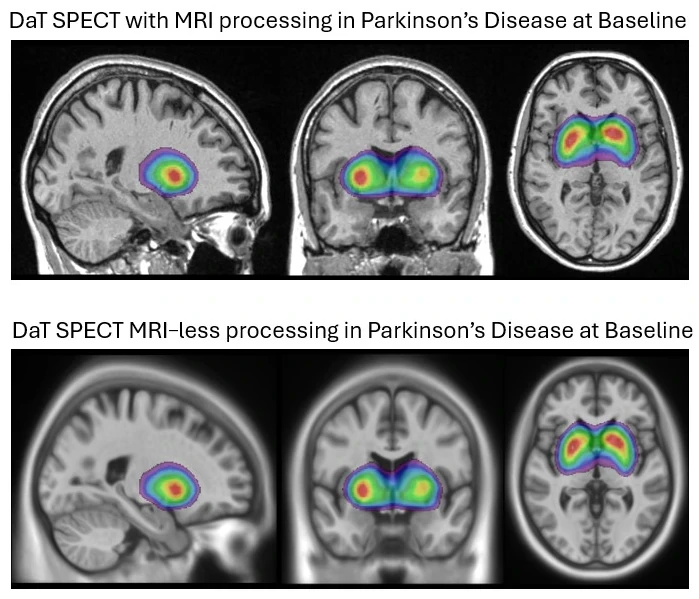
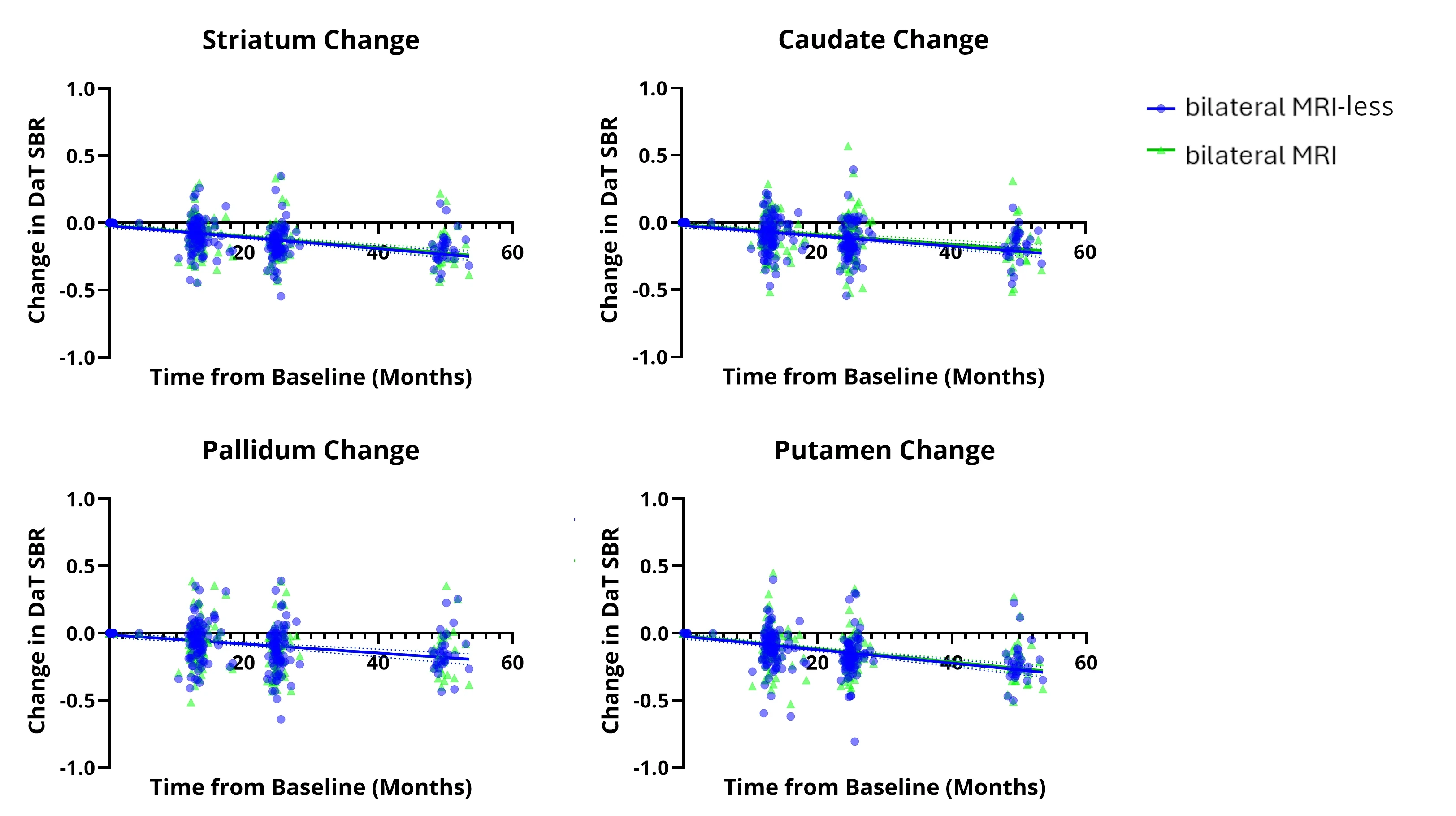
  • Both DaT SPECT with subject-visit 3DT1 MRI registration and DaT SPECT without subject-visit 3DT1 MRI registration image processing can reliably track PD progression and may serve as valuable biomarkers in clinical trials evaluating disease-modifying therapies.

  • DaT SPECT with subject-visit 3DT1 registration and DaT SPECT without subject-visit 3DT1 registration image processing can be used in combination with clinical data for diagnostic confirmation during patient screening and randomization.

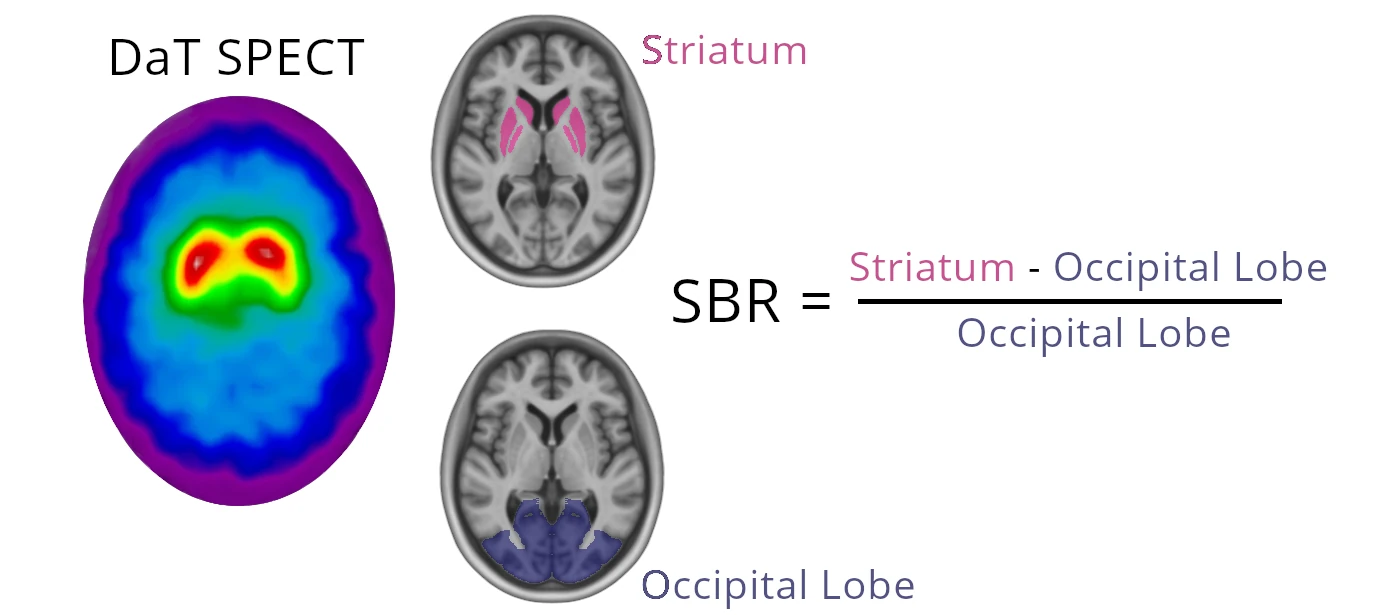
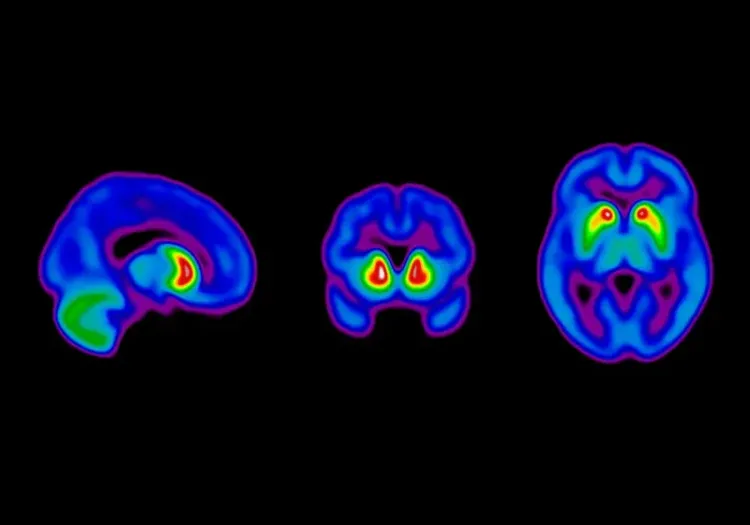
DaTscan ([123I]ioflupane) SPECT imaging enables visualization of presynaptic dopaminergic nerve terminals in the striatum by binding to the dopamine transporter (DaT). It is widely used to support the diagnosis of Parkinsonian syndromes, including Parkinson’s disease (PD), by differentiating them from conditions without dopaminergic deficits, such as essential tremor (ET). Quantitative analysis typically relies on the striatal binding ratio (SBR), defined as the ratio of specific to non-specific uptake, the latter typically based on the occipital lobe.  

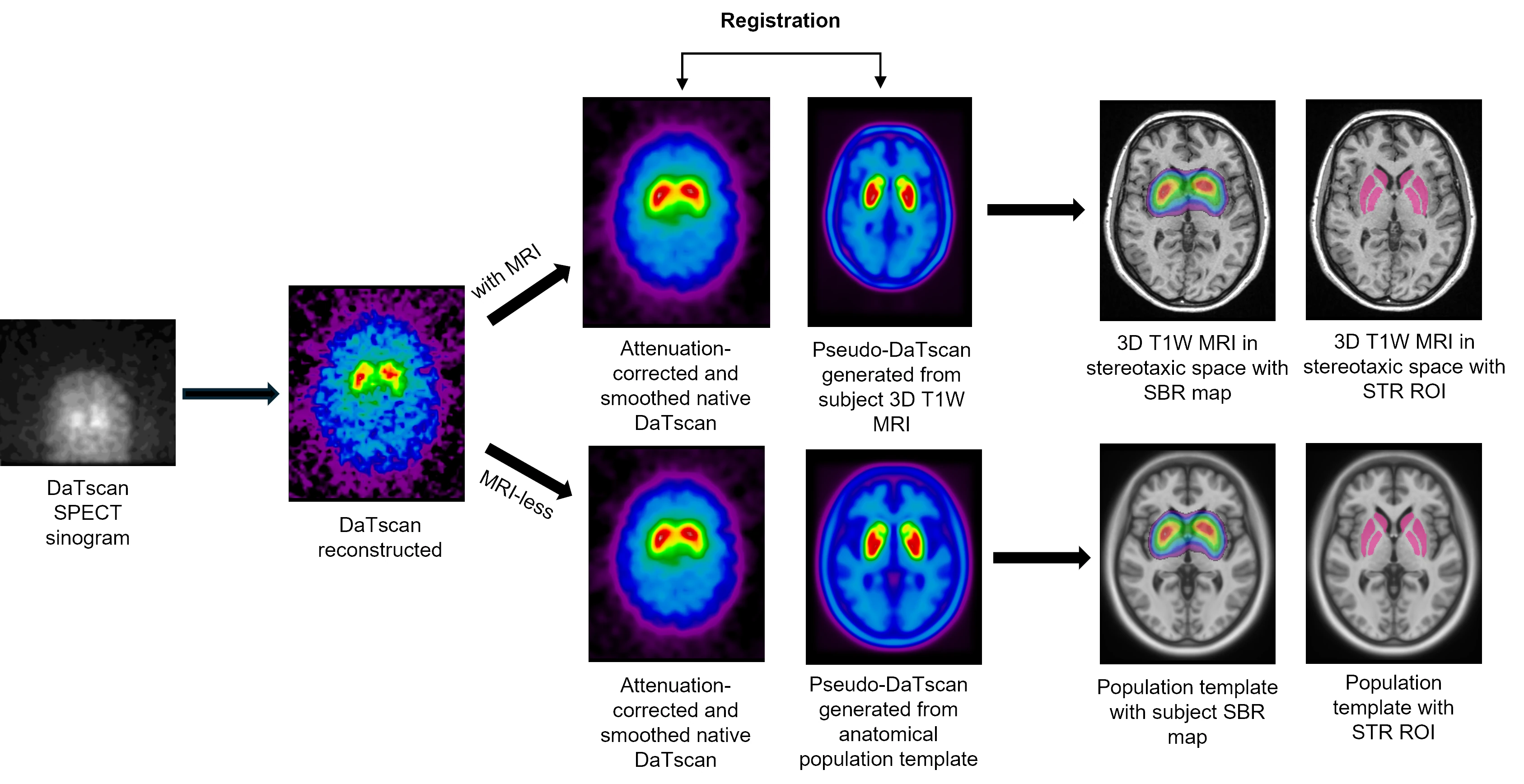
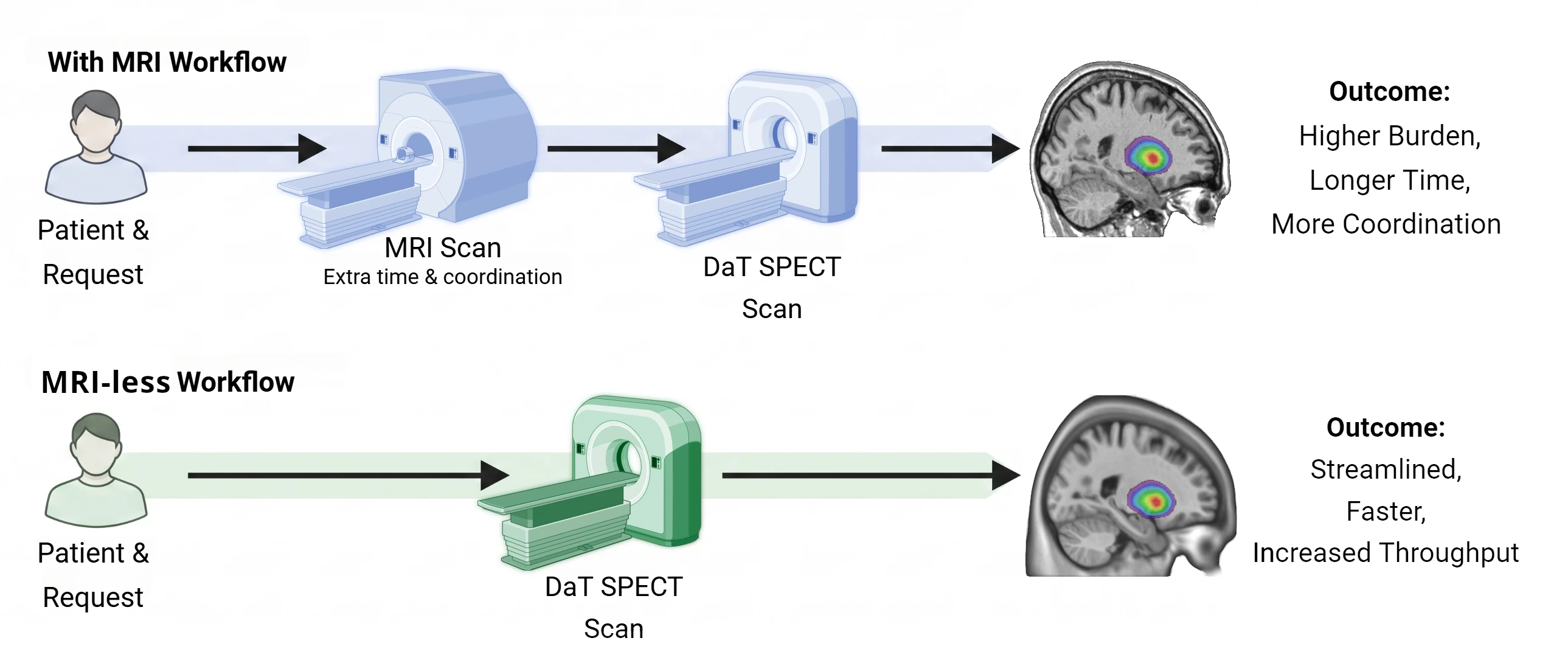
In clinical trials, SBR is frequently used for subject selection, stratification, randomization, and efficacy assessment. Accurate identification of dopaminergic deficit at screening is critical to minimize inclusion of phenocopies, common in early disease stages. Standard SBR estimation requires anatomical region-of-interest (ROI) definition, typically achieved by registering DaTscan images to subject-specific 3D T1-weighted (3DT1) MRI. However, MRI acquisition increases cost, logistical complexity, patient burden, and may be contraindicated or impractical in some participants. A DaTscan-only workflow could, therefore, improve accessibility and efficiency.  

Our group previously developed a robust, fully automated DaTscan-to-MRI registration method based on rigid-body transformation, suitable for subject-specific anatomical alignment. In this work, we extend this approach to estimate a 9-parameter affine transformation, enabling registration of DaTscan images to a non-subject anatomical reference. Although template-based ROI placement may be affected by inter-subject anatomical variability, the relatively low spatial resolution of DaTscan SPECT images suggests that reliable SBR estimation remains feasible.  

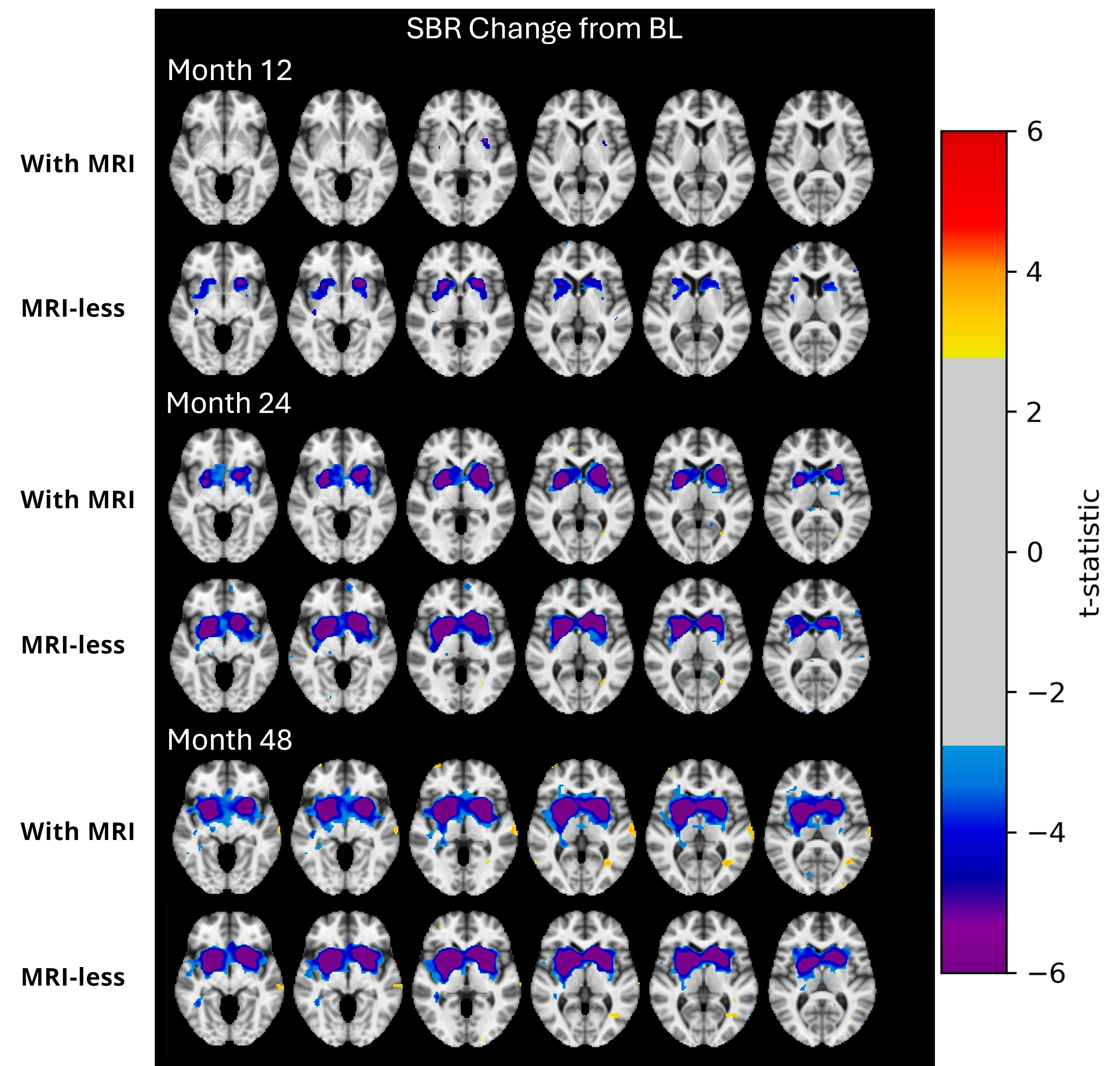
Using DaTscan SPECT and anatomical MRI data (305 scans from 101 subjects) from the Parkinson’s Progression Markers Initiative (PPMI) study, we compared SBR values derived with subject-specific MRI registration to those obtained using our “MRI-less”, template-based approach.   

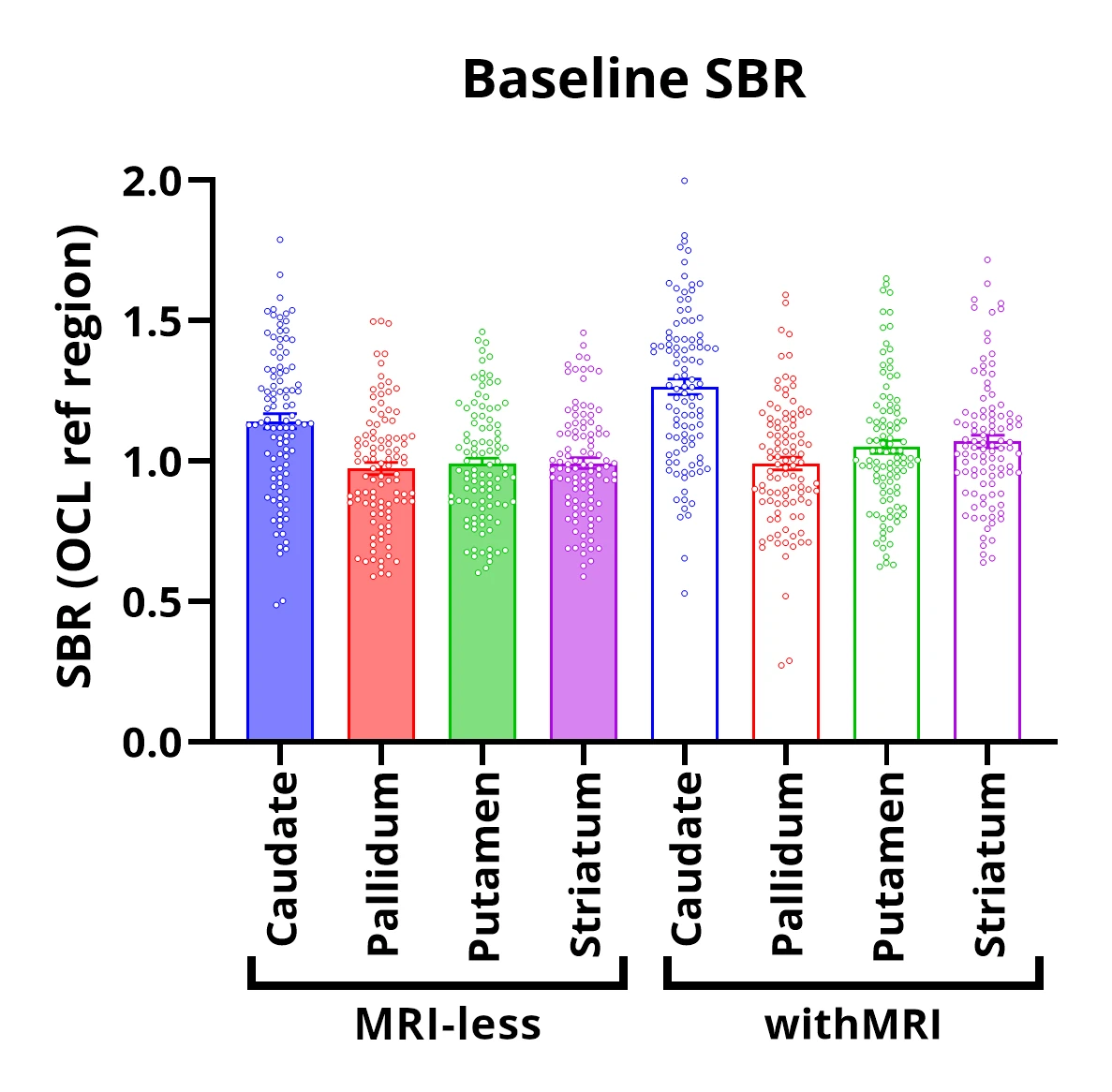
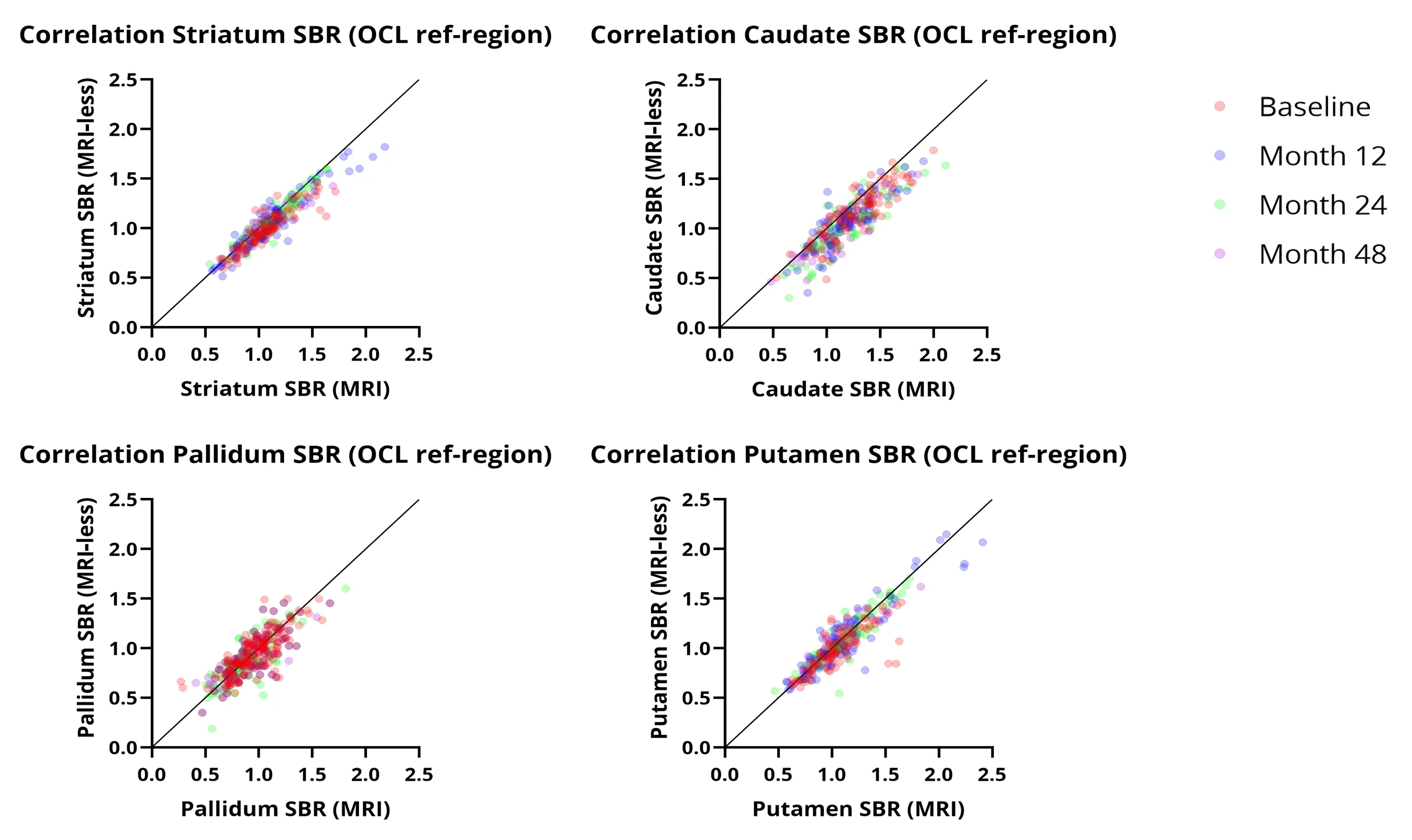
All scans processed successfully without subject MRI, relying solely on anatomical template built from 124 PPMI scans. The SBR values calculated with and without subject MRI showed excellent agreement, with a strong linear correlation (r = 0.94) using the occipital lobe as reference region.   

MRI-less DaTscan SBR quantification using affine registration to an anatomical template is feasible and yields results comparable to MRI-based analysis. This approach will substantially reduce cost, logistics, and patient inconvenience, supporting broader adoption of DaTscan quantification in Parkinson’s disease clinical trials.

Slide Presentation
Background

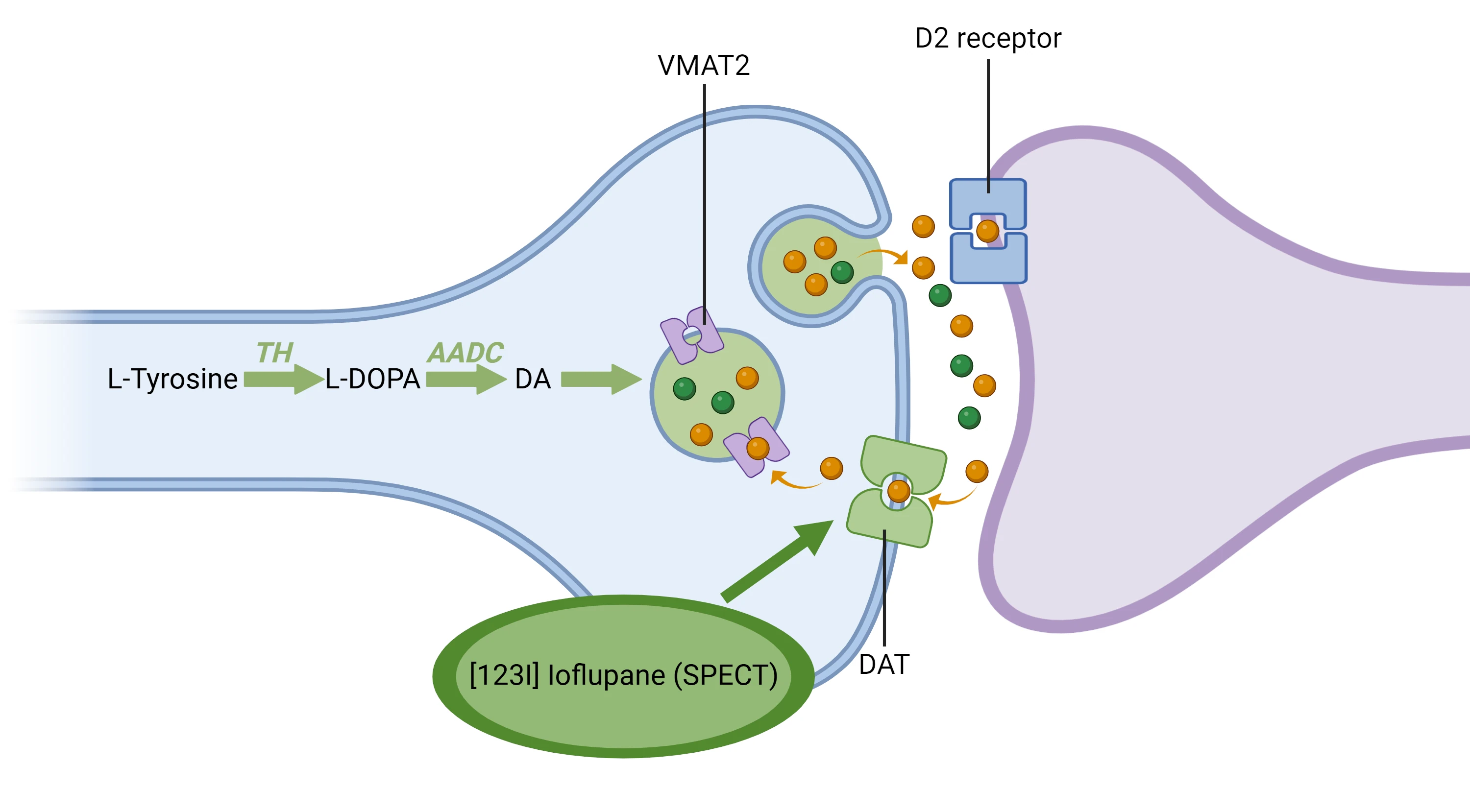
DaTscan ([123I] ioflupane) is a radiopharmaceutical that binds to the dopamine transporter (DaT) in presynaptic neurons, allowing visualization of dopaminergic nerve terminals in the striatum. This method is particularly useful for diagnosis of a Parkinsonian syndrome, such as Parkinson’s disease (PD) and multiple system atrophy (MSA), by differentiating it from other diseases with similar symptoms but without dopaminergic neuron loss, such as essential tremor (ET) and other non-degenerative conditions. DaTscan (also referred to as DaT SPECT in this presentation) is widely available and has been clinically validated. 

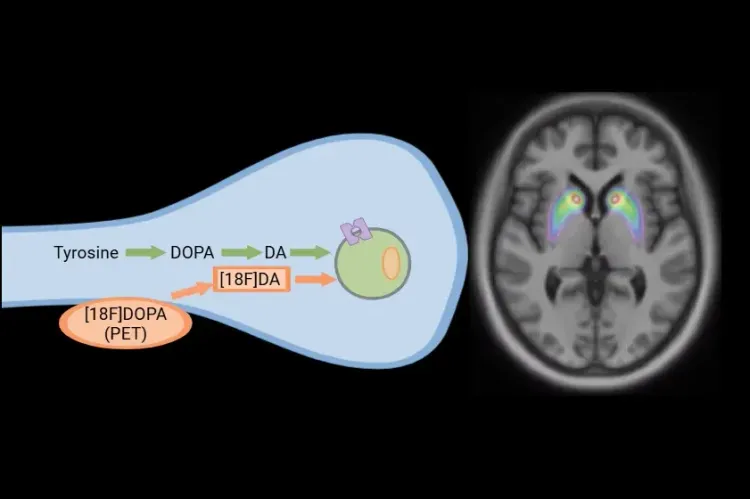
Nerve terminal illustration

Nerve terminal illustrating the radiotracers used in the study of the dopaminergic system in PD. The dopamine transporter (DaT) is labeled by [123I]FP-CIT (DaTscan SPECT). Reproduced from [18F]DOPA PET in Parkinson’s Disease Clinical Trials.

1/9

Data Sources

Data used in the preparation of this presentation were obtained from the Parkinson's Progression Markers Initiative (PPMI). PPMI was launched in 2010 and is conducted in the United States, Europe, Israel, and Australia. The study is sponsored by The Michael J. Fox Foundation for Parkinson’s Research and is made possible by restricted donations to the Foundation from a consortium of Parkinson’s drug development stakeholders. PPMI is led by Principal Investigator Ken Marek, MD, President and Senior Scientist of the Institute for Neurodegenerative Disease in New Haven, Connecticut. The primary goal of PPMI is to identify biological markers of Parkinson’s risk, onset and progression — critical tools for the development of new and better treatments — and to provide the broad research community a comprehensive, standardized, longitudinal data set and biosample library to speed breakthroughs and enable validation toward clinical application of new findings.


Keywords

Affine Registration: an image registration method allowing translation, rotation, scaling, and shearing.

DaTscan SPECT: a nuclear medicine imaging technique using [123I]ioflupane to visualize dopamine transporter availability in the striatum and support assessment of Parkinsonian syndromes.

DaT SPECT Imaging: Single Photon Emission Computed Tomography (SPECT) used to measure dopamine transporter binding in Parkinson’s disease diagnosis, screening, and clinical trial research.

Dopaminergic Deficit: reduced dopamine transporter signal indicating loss or dysfunction of presynaptic dopaminergic nerve terminals.

MRI-less DaTscan Analysis: a DaT SPECT processing workflow that estimates SBR without requiring a subject-specific anatomical MRI scan.

Neuroimaging Biomarkers: imaging-derived measures used to quantify disease-related biological changes in the brain.

Parkinson’s Disease (PD): a progressive neurodegenerative disorder characterized by the loss of dopaminergic neurons and associated motor symptoms such as tremor, rigidity, bradykinesia, and postural instability; DaT SPECT imaging can support assessment of dopaminergic deficit in Parkinsonian syndromes.

Parkinson’s Disease Progression Imaging: imaging-based assessment of longitudinal changes in dopaminergic function over time in Parkinson’s disease.

PIANO™ Image Processing: a modular, automated image-processing platform used for high-throughput analysis of neuroimaging data, including DaT SPECT.

PPMI Study: the Parkinson’s Progression Markers Initiative, a longitudinal study designed to identify biomarkers of Parkinson’s disease risk, onset, and progression.

Region-of-Interest (ROI) Analysis: quantitative analysis based on predefined anatomical regions, such as the striatum, putamen, caudate, and pallidum.

SBR Quantification: calculation of striatal binding ratio values from DaT SPECT images to assess dopaminergic deficits and monitor disease progression.

Striatal Binding Ratio (SBR): a quantitative imaging measure comparing specific tracer uptake in striatal regions to non-specific uptake in a reference region.

SWEDD: Scans Without Evidence of Dopaminergic Deficit; cases with Parkinsonian symptoms but no expected dopaminergic loss on DaT imaging.

Voxelwise SBR Analysis: imaging analysis that evaluates SBR changes across brain voxels instead of only predefined regions.


Related Content

Up-to-date information on best practices related to the use of neuroimaging in clinical trials of neurological diseases.
More Information

Let us know what you’re interested in. Our team will be happy to discuss with you!

Email us at i[email protected] or simply complete & submit the form below. 

Name*
Email*
Purpose of Inquiry*
Affiliation (Company/Institution)*
Message*

Your privacy is important to us. We will protect your data as outlined in our Privacy Notice.

I agree to the terms in the Privacy Notice*

We use necessary cookies to make our site work. We also use other cookies to help us make improvements by measuring how you use the site or for marketing purposes. You have the choice to accept or reject them all. For more detailed information about the cookies we use, see our Privacy Notice.